Winter Emergency Kit: What Every Gatineau Driver Should Have
Gatineau winters are beautiful but unforgiving. When temperatures plunge to -30°C, snowstorms dump 30+ centimeters overnight, and whiteout conditions reduce visibility to nearly zero, your vehicle can transform from reliable transportation to a potential survival situation within minutes. A dead battery at a grocery store parking lot, sliding into a ditch on a rural road near Chelsea, or getting stuck in deep snow on Highway 148—these scenarios happen to Gatineau drivers every single winter.
The difference between a minor inconvenience and a life-threatening emergency often comes down to one thing: preparation. A properly stocked winter emergency kit doesn’t just make breakdowns more comfortable—it can literally save your life if you’re stranded for hours waiting for help in extreme cold.
This comprehensive guide covers everything you need in your winter car emergency kit, how to organize it, and why each item matters. If you’re experiencing a roadside emergency right now, call 819-485-0729 for immediate 24/7 roadside assistance anywhere in Gatineau.
Why Winter Emergency Kits Are Essential in Gatineau
Quebec experiences some of Canada’s harshest winter conditions, and Gatineau is no exception. Understanding the specific risks helps you appreciate why proper preparation isn’t optional—it’s survival.
The Reality of Winter Emergencies
Consider these sobering facts about winter driving in Quebec:
- Temperatures regularly drop below -20°C from December through February, with wind chills reaching -40°C
- Hypothermia can begin within 30 minutes of exposure to extreme cold without proper clothing
- Cell phone batteries drain 50% faster in freezing temperatures, potentially leaving you without communication
- Winter storms can delay emergency response times by hours, especially on rural roads
- The average person can survive only 3 hours in -40°C weather without adequate shelter and warmth
Even if you only drive short distances around Hull or Aylmer, breakdowns happen unexpectedly. That 10-minute trip to the grocery store becomes a crisis if your battery dies in an empty parking lot at 11 PM during a blizzard.
Common Winter Emergency Scenarios
These situations happen to thousands of Gatineau drivers every winter:
- Dead battery: Cold temperatures drain battery power, leaving you unable to start your vehicle
- Stuck in snow: Sliding into ditches, snowbanks, or becoming high-centered in deep snow
- Accidents: Winter road conditions dramatically increase collision risk
- Mechanical failure: Extreme cold causes components to fail without warning
- Stranded during storms: Whiteout conditions make roads impassable
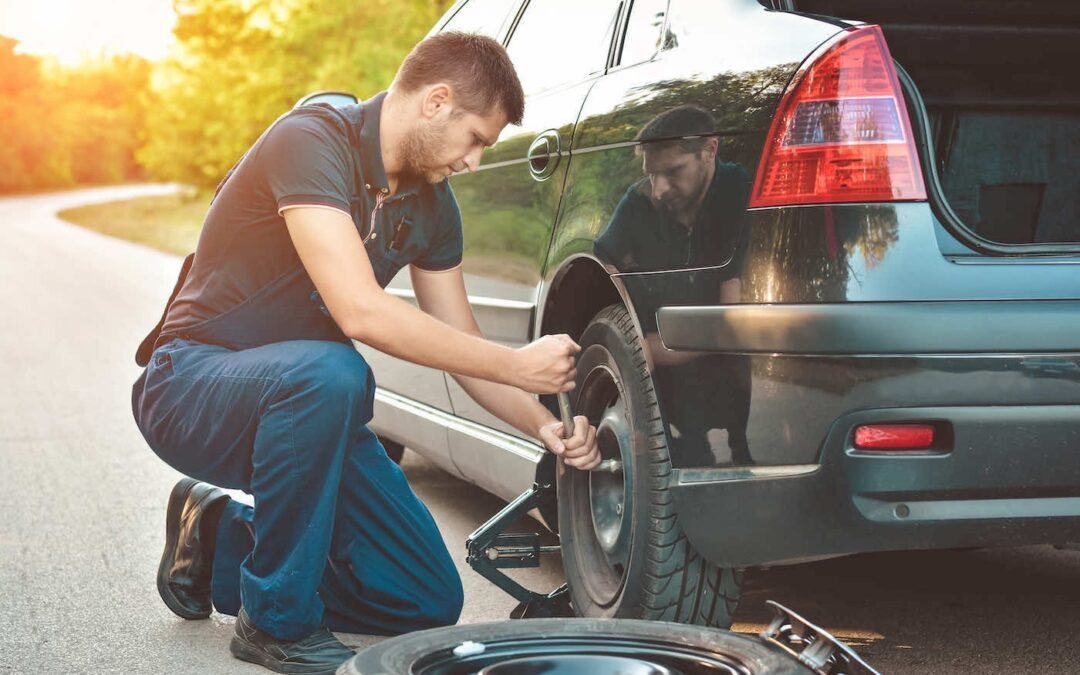
- Flat tires: Cold air pressure drops and hidden debris cause punctures
In any of these situations, having a properly equipped emergency kit transforms a potentially deadly scenario into a manageable inconvenience while you wait for professional towing and roadside assistance.
Complete Winter Emergency Kit Checklist
Your winter car emergency kit should cover four essential categories: warmth and survival, visibility and safety, tools and vehicle needs, and food and hydration. Here’s your comprehensive checklist:
Category 1: Warmth and Survival Items
Staying warm is your top priority during winter emergencies. These items protect you from hypothermia and frostbite while waiting for help.
Blankets and Sleeping Bags
- Heavy wool blanket or sleeping bag: Provides insulation even when wet, rated for at least -20°C
- Emergency thermal blankets (2-3): Compact Mylar blankets reflect body heat and fold to pocket size
- Why they matter: Your vehicle’s heater only works when the engine runs, and idling for hours wastes fuel and risks carbon monoxide poisoning
Extra Winter Clothing
Pack these in a waterproof bag and check them seasonally:
- Insulated winter jacket or parka
- Waterproof winter boots with good traction
- Thick wool socks (2-3 pairs)
- Insulated gloves or mittens (2 pairs—one to wear, one backup)
- Winter hat or toque that covers ears
- Scarf or neck warmer
- Long underwear or thermal base layers
Even if you’re only wearing office clothes for a short drive, these items ensure you can survive hours outside in emergency situations.
Hand and Foot Warmers
- Disposable heat packs (10-15): Activate by opening package, provide heat for 6-8 hours
- Reusable hand warmers: Boil to reset, useful for extended situations
- Storage tip: Keep in sealed bags—they activate when exposed to air
Emergency Heat Sources
- Survival candles in metal container: One candle can raise interior temperature 5-10°C
- Waterproof matches and lighter: Store in waterproof container
- Warning: Only use candles with cracked windows for ventilation to prevent carbon monoxide buildup
Category 2: Visibility and Safety Equipment
Being seen by other drivers and emergency responders is critical, especially during storms or at night.
Lighting Equipment
- LED flashlight with extra batteries: Choose models rated for cold weather operation
- Headlamp: Keeps hands free while working on vehicle
- Emergency road flares (3-6): Visible for miles, last 15-30 minutes each
- LED safety lights/beacons: Battery-operated, reusable alternative to flares
- Reflective emergency triangles: Set up 30-100 meters behind vehicle
High-Visibility Clothing
- Reflective safety vest: Store in driver’s side door for immediate access
- Reflective winter jacket: Combines warmth with visibility
- Why it matters: In whiteout conditions or darkness, visibility prevents secondary accidents
Category 3: Tools and Vehicle Supplies
The right tools help you self-rescue or make repairs while waiting for professional assistance.
Snow and Ice Removal Tools
- Collapsible snow shovel: Metal or heavy-duty plastic, compact storage
- Ice scraper and snow brush: Long handle for SUVs and trucks
- Small broom: Removes heavy snow from vehicle before driving
Traction Aids
- Traction mats (2): Place under drive wheels when stuck in snow or ice
- Bag of sand or non-clumping cat litter (5-10 kg): Creates traction on ice
- Tire chains: Required by law on some Quebec roads during winter storms
- Why not salt? Road salt corrodes your vehicle’s undercarriage—use sand instead
Battery and Electrical
- Jumper cables (4-6 meters): Heavy-duty cables rated for your vehicle size
- Portable jump starter: Battery pack that jump-starts without another vehicle
- Phone charger (12V adapter): Keep phone charged for emergency calls
- Portable power bank: Fully charged, provides backup when car battery is dead
Vehicle Repair and Maintenance
- Properly inflated spare tire (check monthly)
- Jack and lug wrench (verify they work before winter)
- Tire pressure gauge
- Duct tape
- Multi-tool or Swiss Army knife
- Basic tool kit (screwdrivers, pliers, adjustable wrench)
- Zip ties and bungee cords
- Work gloves (separate from winter gloves)
Fluids and Materials
- Windshield washer fluid (winter formula, rated to -40°C)
- Engine oil (correct weight for your vehicle)
- Antifreeze/coolant
- Rags or paper towels (full roll)
- Tire sealant (temporary flat repair)
Category 4: Food, Water, and First Aid
Your body needs fuel to generate heat. Proper nutrition and hydration are survival essentials during extended waits.
Food Supplies
Choose non-perishable, high-calorie foods that won’t freeze solid:
- Energy bars or granola bars (10-15): High calories, don’t freeze hard
- Trail mix with nuts and dried fruit: Excellent calorie-to-weight ratio
- Protein bars: Sustained energy during long waits
- Hard candies: Quick energy boost and prevent dehydration from mouth breathing
- Peanut butter (small jar): High calories, doesn’t freeze completely
- Beef jerky or dried meat: Protein and salt help maintain body heat
- Why these foods? They resist freezing, require no preparation, and provide high energy density
Hydration
- Water bottles (2-4): While they’ll freeze, you can thaw them inside your jacket
- Juice boxes or pouches: Higher sugar content resists freezing better than water
- Thermos with hot beverage: If you’re starting a winter trip, bring hot tea or soup
- Metal container: Can melt snow for drinking water using candle heat
First Aid and Medical
- Comprehensive first aid kit including:
- Bandages, gauze, and medical tape
- Antiseptic wipes and antibiotic ointment
- Pain relievers (ibuprofen, acetaminophen)
- Tweezers and scissors
- Emergency blanket
- Cold packs (ironically useful for injuries even in winter)
- Prescription medications: Keep 2-3 day supply of critical medications
- Personal medications: Inhalers, EpiPens, or other essential medical items
Category 5: Communication and Navigation
Staying connected to help and knowing your location are critical during emergencies.
Communication Tools
- Fully charged cell phone: Keep it warm in an inside pocket to preserve battery
- Emergency contact list (written): Include 819-485-0729 for Gatineau Towing
- Whistle: Sound travels far in cold air—three blasts signals distress
- Hand-crank emergency radio: For weather updates during extended outages
Navigation Items
- Paper maps of Gatineau and Quebec: GPS fails, maps don’t
- Compass: Basic navigation if disoriented
- Pen and notepad: Document damage, write notes to leave on vehicle
How to Organize Your Winter Emergency Kit
Having supplies means nothing if you can’t find them during a dark, stressful emergency. Proper organization is essential.
Storage Solutions
- Large waterproof container or duffel bag: Keeps everything organized and protected from moisture
- Clear plastic bins: See contents at a glance
- Separate smaller bags by category: Food, warmth items, tools, etc.
- Label everything clearly: Use reflective tape or bright labels
Accessibility Tips
- Store in trunk: Main emergency kit stays in trunk year-round
- Keep essentials accessible: Flashlight, blanket, and phone charger in passenger compartment
- Driver’s side door pocket: Safety vest, emergency contact card, whistle
- Glove box: First aid kit, hand warmers, emergency contacts
Seasonal Checks
Review your emergency kit at least three times during winter:
- November: Before winter sets in, verify all items are present and functional
- January: Mid-winter check, replace used items, verify batteries
- March: End-of-winter assessment, rotate food supplies
What to Do When Stranded in Winter
Having an emergency kit only helps if you use it correctly during an actual emergency.
Immediate Actions
- Call for help immediately: Contact 819-485-0729 before conditions worsen
- Stay with your vehicle: It provides shelter and makes you easier to find
- Turn on hazard lights: Makes you visible to other drivers and rescuers
- Put on emergency clothing: Layer up immediately before you get cold
- Set up safety markers: Place flares or triangles 30+ meters behind vehicle
Staying Warm While Waiting
- Run engine 10 minutes per hour: Provides heat while conserving fuel
- Keep exhaust pipe clear: Check every 30 minutes—snow buildup causes carbon monoxide poisoning
- Crack a window slightly: Ensures fresh air circulation when engine runs
- Use blankets and clothing: Layer emergency blankets under and over regular blankets
- Activate hand warmers: Place in pockets, boots, and against core
- Stay active: Move arms and legs every 15 minutes to maintain circulation
What NOT to Do
- Don’t leave your vehicle: Whiteout conditions make it easy to get lost and freeze
- Don’t run engine continuously: You’ll waste fuel and risk carbon monoxide poisoning
- Don’t eat snow for hydration: Your body uses energy melting it, accelerating hypothermia
- Don’t sleep while engine runs: Risk of carbon monoxide exposure
- Don’t drink alcohol: It causes heat loss despite feeling warm
Special Considerations for Gatineau Drivers
Rural vs. Urban Areas
If you frequently travel rural roads near Chelsea, Cantley, or Buckingham, enhance your kit with:
- Extra food and water (72-hour supply)
- Sleeping bag rated to -40°C
- Signal mirror for daytime rescues
- Fire starter kit
- More extensive first aid supplies
Rural areas have longer emergency response times, sometimes hours during major storms.
Families with Children
Add these items if you regularly transport children:
- Extra diapers and wipes
- Formula or baby food
- Children’s medications
- Small toys or books (distraction during long waits)
- Child-sized winter clothing
- Extra blankets
Pet Owners
- Pet food and water
- Leash and collar
- Blanket or pet bed
- Medications
Frequently Asked Questions
How much does a complete winter emergency kit cost?
A comprehensive kit costs $150-300 if purchasing everything new. However, you likely own many items already (blankets, flashlights, tools). Budget kits can be assembled for $75-100, though spending more on quality items like sleeping bags and jump starters is worthwhile for items that could save your life.
How long can I survive in my car during winter?
With proper supplies and preparation, you can survive several days in your vehicle during winter. The critical factors are staying warm (blankets, clothing, controlled engine use), staying hydrated (stored water, melted snow), maintaining energy (food), and avoiding carbon monoxide poisoning (clear exhaust, window ventilation).
What if my cell phone battery dies?
This is why portable power banks are essential. Keep your power bank fully charged and stored inside your winter jacket to prevent cold from draining it. As backup, a whistle and reflective materials help signal for help without electronics.
Should I keep my gas tank full in winter?
Yes. Maintain at least a half-tank of fuel throughout winter. This prevents fuel line freezing, ensures you can run the engine for heat during emergencies, and provides extra weight over drive wheels for better traction.
How often should I replace emergency food supplies?
Check expiration dates twice yearly (November and March). Rotate items before they expire. Energy bars and granola typically last 6-12 months. Canned goods last years but check for damage from freezing.
Can I just rely on CAA or my insurance roadside assistance?
Roadside assistance is essential—keep your membership active. However, during major winter storms, response times can extend to several hours as services become overwhelmed. Your emergency kit keeps you safe while waiting. Call 819-485-0729 for our 24/7 roadside assistance with typically faster response times across Gatineau.
What’s the most important item in my winter kit?
While every item serves a purpose, the items that prevent hypothermia—blankets, warm clothing, hand warmers—are most critical. You can survive days without food, but hypothermia can kill within hours in extreme cold.
Download Your Free Winter Emergency Kit Checklist
Use this printable checklist to build and verify your winter emergency kit:
Print-and-Go Checklist
Warmth Items:
- Wool blanket or sleeping bag
- Emergency thermal blankets (2-3)
- Extra winter clothing (jacket, boots, hat, gloves, socks)
- Hand and foot warmers (10+)
- Survival candles and matches
Safety & Visibility:
- LED flashlight with extra batteries
- Road flares or LED safety lights
- Reflective triangles
- Safety vest
Tools & Vehicle:
- Snow shovel
- Ice scraper and brush
- Traction mats or sand/cat litter
- Jumper cables or portable jump starter
- Spare tire, jack, and lug wrench
- Basic tool kit
- Windshield washer fluid
Food & Water:
- ☐ Energy/granola bars (10+)
- ☐ Trail mix and protein bars
- ☐ Water bottles (2-4)
- ☐ Juice boxes
First Aid & Communication:
- First aid kit
- Phone charger and power bank
- Emergency contact list including 819-485-0729
- Whistle
- Paper maps
When Winter Emergencies Strike, We’re Ready
Even with the best emergency kit, some situations require professional help. Dead batteries, vehicles stuck in ditches, mechanical failures, and accidents all demand expert assistance. That’s where Gatineau Towing comes in.
We provide comprehensive roadside assistance across all Gatineau areas 24/7, including:
- Battery boosts and jump starts
- Professional winch-out services when stuck in snow
- Emergency tire changes
- Vehicle unlocking
- Emergency towing to your preferred shop
- Fuel delivery when you run out
Our local drivers know Gatineau’s roads, shortcuts, and winter trouble spots. We respond quickly even during the worst storms, arriving with the right equipment to get you to safety.
Stranded or need emergency assistance? Call 819-485-0729 right now for immediate help anywhere in Gatineau.
We serve all areas including Hull, Aylmer, Buckingham, Gatineau Sector, Masson-Angers, Plateau, and rural communities. Save our number now—winter emergencies don’t wait.